


Lithuania Visa Rules Travelers Should Know

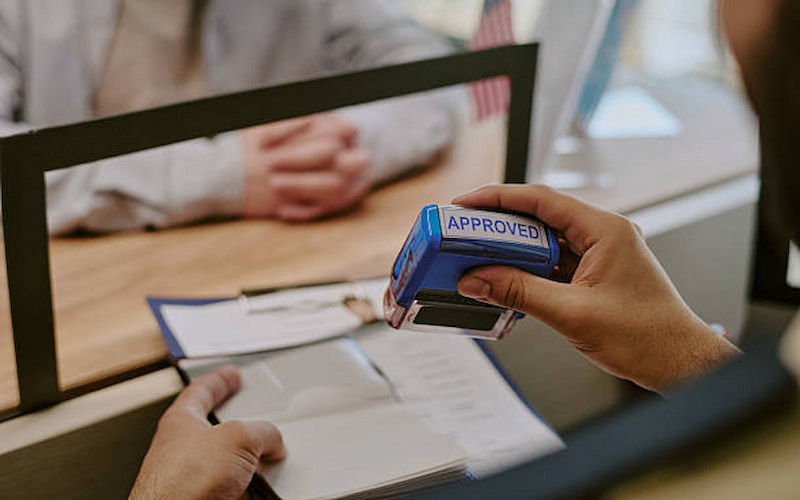
Lithuania, the gem of the Baltic region, is attracting travelers with its beautiful old towns, sandy dunes, serene lakes, and vibrant cultural festivals. Whether you plan to explore the historic streets of Vilnius, stroll along the Curonian Spit, or dive into local traditions, knowing the Lithuania visa rules is a must for a smooth travel experience. Go kite Tours emphasizes that understanding all Lithuania visa requirements beforehand can save you time, avoid stress, and ensure that your trip begins on a positive note.
As a Schengen Area member, Lithuania applies standard Schengen visa regulations for travelers from non-EU countries. Planning ahead and understanding the visa process allows you to avoid last-minute surprises and ensures your journey is enjoyable. By following these rules, you not only comply with immigration laws but also gain confidence in planning your itinerary, accommodation, and travel plans.
Complete Guide to Lithuania Visa Rules for Tourists and Business Travelers
Types of Lithuania Visas
Lithuania offers different visa types depending on the purpose and length of your stay. Choosing the correct visa is critical for a hassle-free experience.
1. Short-Stay Schengen Visa (Type C)
The Type C visa is designed for travelers visiting Lithuania for up to 90 days within a 180-day period. It is appropriate when travelling on a touristic or business trip or when you are visiting family members and friends. Applicants must provide proof of accommodation, travel insurance covering emergencies, a detailed itinerary, and evidence of sufficient financial means for a stress-free stay.
2. National Visa (Type D)
The Type D visa is intended for long-term stays exceeding 90 days, such as for work, study, or family reunification. This visa allows residents to legally live in Lithuania and may lead to a temporary residence permit. Applicants need to submit proof of purpose, accommodation arrangements, financial stability, and sometimes additional documentation, depending on their situation.
3. Transit Visa (Type A)
A Type a transit visa is required for travelers who pass through Lithuania’s international airports without entering the country. This visa allows a short stay in the airport’s international transit zone, depending on nationality. It is ideal for travelers on connecting flights who do not plan to leave the airport, ensuring compliance with Lithuanian immigration rules.
Essential Lithuania Visa Requirements
The application requires the right documents to be submitted. Key requirements include:
Passport: At least six months to your intended stay, and at least 2 blank pages
Completed Visa Application Form: Accurate and signed, with a recent passport-sized photo
Travel Itinerary: Confirmed flight and hotel bookings or invitation letters
Travel Insurance: Minimum emergency coverage of 30000
Proof of Financial Means: Bank statements, sponsorship letters, or salary slips
Employment or Education Documents: Depending on your visa type and purpose
Remember, requirements may vary depending on nationality, visa type, and purpose of visit. Always double-check with the official Lithuanian embassy or consulate to ensure your application meets current guidelines.
Lithuania Visa Application Process: Step by Step
1. Identify Your Visa Type: Decide between short-term (Type C) or long-term (Type D) visas.
2. Prepare Documents: Collect all mandatory documents and organize them for submission.
3. Book an Appointment: Submit your application at the nearest Lithuanian embassy, consulate, or authorized visa center.
4. Attend the Interview: Provide biometric data if required and answer questions about your trip honestly.
5. Wait for Processing: Type C visas are typically processed within 15 calendar days, though peak seasons may extend processing to 30 days.
6. Receive Your Visa: Carefully check the visa’s validity, permitted duration, and entry conditions before traveling.
Tips for a Smooth Lithuania Visa Application
Apply well in advance (15–30 days) to avoid delays.
Ensure all documents are complete, accurate, and consistent.
Purchase travel insurance covering medical emergencies, accidents, and repatriation.
Keep copies of all documents in case of verification requests.
Be clear, honest, and concise during the visa interview.
Common Mistakes to Avoid
Submitting expired, incomplete, or inconsistent documents
Booking non-refundable flights before visa approval
Misunderstanding Schengen rules for short-term stays
Ignoring nationality-specific embassy guidelines
Failing to include proper proof of financial means or accommodation
Lithuania Visa Fees
Short-Stay Schengen Visa (Type C): Approximately €80 for adults, reduced fees for children under 12
National Visa (Type D): Varies depending on duration and purpose of stay
Additional fees may apply if you submit through visa centers or require express services
Final Thoughts
Understanding Lithuania visa rules is essential for a stress-free and enjoyable visit to this beautiful Baltic country. Careful preparation, accurate documentation, and adherence to Schengen guidelines ensure your entry is smooth and your travel experience is positive. From walking through Vilnius’ historic streets to exploring Lithuania’s pristine lakes and natural parks, travelers can focus on adventure and cultural experiences rather than bureaucratic hassles.
Always stay updated on the latest Lithuania entry requirements through official embassy sources or trusted travel services. Being proactive allows you to plan your trip confidently, make the most of your time, and create lasting memories. With the right preparation, your Lithuanian journey can be safe, enjoyable, and truly unforgettable.


Comments